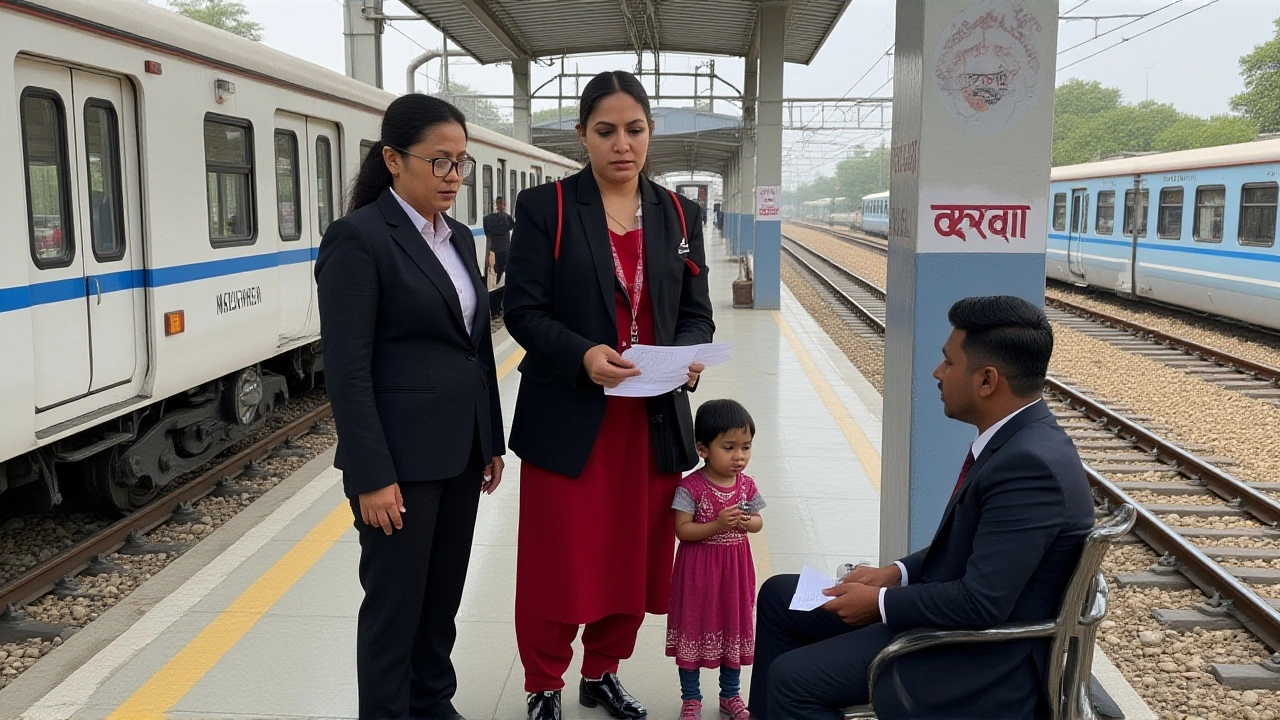
When South East Central Railway launched a surprise crackdown on Bilaspur Junction, the results were staggering. In just one day, officials caught 487 passengers traveling without valid tickets or with irregular fares, collecting a total fine of ₹4.97 lakh. It’s not just about the money—it’s a stark reminder that the net is closing in on fare evaders across central India.
The operation took place on a Tuesday, though news of the massive haul didn’t break until Saturday afternoon at 2:00 PM. The delay might seem odd, but it highlights how these large-scale checks are often processed internally before being announced to the public. Here’s the thing: this wasn’t a random spot check. It was a coordinated sweep across the station premises and inside 25 different trains passing through the hub.
The Scale of the Crackdown
Let’s look at the numbers. 487 people. That’s nearly half a thousand individuals caught in a single day. The total revenue recovered—₹497,000 (roughly $6,000 USD)—averages out to about ₹1,020 per passenger. But don’t assume everyone paid the same amount. Fines vary wildly depending on whether you’re caught in second class versus first AC, or if your ticket was simply expired versus completely non-existent.
The twist is the scope. This wasn’t limited to the platform. Officials boarded 25 specific trains linked to the Bilaspur division. Imagine the logistics: teams moving from train to train, checking tickets, verifying IDs, and issuing penalties simultaneously. It’s a logistical beast, but clearly, it worked. For regular commuters who buy their tickets digitally via IRCTC, this serves as a heavy-handed nudge to keep those e-tickets handy.
Why Bilaspur? Why Now?
Bilaspur isn’t just any stop; it’s a major railway junction in Chhattisgarh, handling thousands of passengers daily. High footfall means high opportunity for ticketless travel. Historically, stations like this see seasonal spikes in evasion during festivals or summer vacations. While the exact trigger for this specific Tuesday raid remains unclear, the pattern suggests a routine enforcement push rather than a reaction to a specific incident.
Interestingly, there’s no named official quoted in the initial reports from sources like Haribhumi or Dailyhunt. No Divisional Railway Manager stepping forward to claim credit. No Chief Ticket Examiner explaining the methodology. Just the raw data. This anonymity is common in operational updates, keeping the focus on the result rather than the individual enforcers.
The Passenger Perspective
For the average traveler, getting caught is a nightmare. You’re pulled off the train, forced to pay a penalty that can be double or triple your original fare, and subjected to public embarrassment. Some argue that the system is too complex, with confusing rules about concession tickets or inter-zone travel. Others say it’s simple greed—why pay when you think you won’t get caught?
But wait, there’s another angle. With the rise of digital payments and app-based ticketing, excuses like “I forgot my wallet” are becoming harder to swallow. If you have a smartphone, you have a ticket. The railway authorities know this. They’re betting that convenience has outpaced compliance, and they’re here to correct the balance.
Broader Implications for Indian Railways
This raid reflects a broader trend across Indian Railways. Revenue protection is becoming more aggressive. With rising operational costs and inflation, every rupee lost to evasion matters. These drives aren’t just punitive; they’re financial necessities. When you see headlines like “Big Action” or “Special Ticket Checking Drive,” read between the lines: the railways are tightening their belt by tightening the screws on passengers.
Compare this to similar operations in Mumbai or Delhi, where thousands are fined monthly. Bilaspur’s 487 catch is significant locally but modest nationally. However, for a regional division, it sends a loud message. The ripple effect? Expect stricter checks on weekends and holidays. Don’t test luck on long-distance routes.

What’s Next for Travelers?
If you’re planning to travel through the South East Central Railway zone soon, do yourself a favor: book early. Keep your digital ticket screenshot ready. Verify your concession details if applicable. The days of slipping through unnoticed are fading fast. Authorities are likely to replicate this model in other divisions—Nagpur, Raipur, and beyond could see similar sweeps.
The details of future plans aren’t public yet, but the precedent is set. One-day blitzes are effective because they create uncertainty. You never know which train will be checked. That fear alone deters many would-be evaders. Smart strategy, really.
Background: How Ticket Checks Work
Under the Indian Railways Act, traveling without a valid ticket is an offense. Penalties include paying the full fare plus a penalty fee, which varies by class and distance. In severe cases, travelers can face legal action. The process usually involves TTEs (Travelling Ticket Examiners) conducting random checks. Special drives like this involve additional staff and coordinated timing to maximize impact.
Historically, such drives peak during festival seasons—Diwali, Eid, Christmas—when volume surges. This Tuesday operation suggests year-round vigilance. The lack of specific train names in the report protects privacy but also limits transparency. We don’t know if premium trains like Rajdhani were targeted or local passenger services. Likely both.
Frequently Asked Questions
How much is the fine for traveling without a ticket in Indian Railways?
The fine depends on the class of travel and distance. Generally, you must pay the full fare plus a penalty ranging from ₹100 to several thousand rupees. For example, in Second Class, the penalty might be lower, while First AC violations incur much higher fees. The average fine in this Bilaspur drive was roughly ₹1,020 per person, indicating a mix of classes and distances involved.
Why did it take four days to announce the results?
Large-scale operations require time for data consolidation. Officials need to verify each case, calculate accurate fines, and ensure procedural correctness before releasing figures. The announcement came on Saturday at 2:00 PM, four days after the Tuesday raid, suggesting a thorough internal review process rather than immediate press release habits.
Will these checks happen regularly?
While special drives are periodic, routine checks occur daily. The success of this operation signals that intensified efforts may become more frequent, especially during peak travel seasons. Passengers should assume any journey could be subject to verification, making preparedness essential.
Can I appeal if I believe my fine was unfair?
Yes, passengers can file grievances through the Indian Railways’ customer portal or visit the station’s complaint counter. However, appeals rarely succeed unless there’s clear evidence of error, such as a technical glitch in ticket issuance. Most fines are upheld based on strict adherence to the Railways Act.